
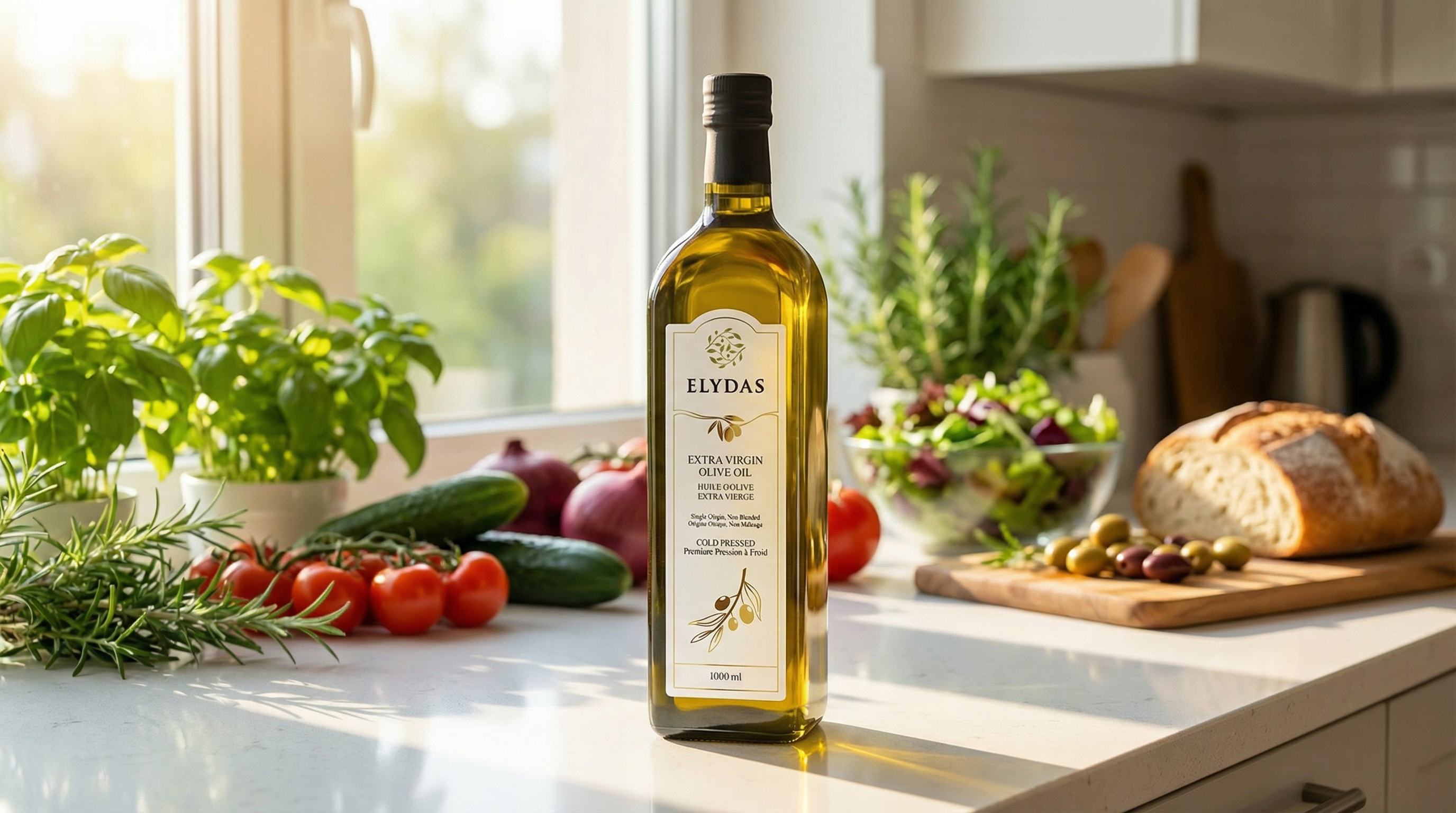
If you cook at home and care about eating well, you probably reach for olive oil almost every day. Whether it’s for salads, roasting vegetables, making marinades, or simply drizzling over fresh bread, extra virgin olive oil is a pantry essential. But many Canadians are surprised to learn that the olive oil they’ve been using may not be what the label claims.
The North American olive oil market has long struggled with issues like blending, mislabeling, and poor-quality imports. Home cooks trying to eat healthier end up with oils that taste flat, oxidize quickly, or don’t deliver the nutritional benefits they expect. And when you’re trying to build a better kitchen routine, the last thing you want is an ingredient that works against you.
The good news is that high-quality, transparent options do exist—especially from brands that offer full traceability from grove to bottle. In this guide, we’ll walk through how to find real extra virgin olive oil, why authenticity matters for your health and cooking, and how home cooks can confidently choose oils with integrity.
Why Extra Virgin Olive Oil Quality Matters More Than People Think
Choosing olive oil might seem simple, but the difference between real and low-quality EVOO is enormous. For home cooks, this difference shows up in three major ways: taste, nutrition, and cooking performance.
The Flavor Difference Is Immediate
Authentic olive oil has a lively aroma, balanced taste, and natural pepperiness that brings dishes to life. When an oil is stale, blended, or refined, it tastes flat—even greasy—and it won’t elevate your food the way real EVOO can.
Your Health Depends on Authenticity
The benefits linked to extra virgin olive oil—heart health, antioxidants, healthy fats—come from polyphenols and nutrients naturally present in fresh, unrefined oil. Fake or low-grade oils lose these elements during blending, heating, or chemical processing.
Your Cooking Results Improve Instantly
Fresh EVOO handles heat better and adds depth to simple recipes. When sautéing vegetables, finishing soups, or roasting potatoes, high-quality oil stays stable and enhances flavor instead of burning or turning bitter.
For home cooks who prioritize health, this is one ingredient worth getting right.
The Problem with Extra Virgin Olive Oil in the North American Market
Many Canadian shoppers trust the “extra virgin” label without realizing how unreliable it can be. Some of the biggest issues include:
- Blended oils sold as EVOO
- Refined oils mixed with virgin oils
- Olives sourced from multiple countries with no transparency
- Oxidation during long shipping and storage
- Misleading marketing terms
These practices lead to oils that lack integrity. A bottle might say “extra virgin,” but it often fails to meet international standards.
This creates a real challenge for home cooks who simply want something pure, fresh, and healthy for their kitchen.
What Real Extra Virgin Olive Oil Should Look Like
Understanding what defines true EVOO makes it easier to choose the right bottle. Here are the key characteristics:
Cold-Pressed
Authentic EVOO is extracted below 27°C, protecting flavor and nutrients.
Low Acidity
A genuine oil has ≤ 0.8% free fatty acidity, which indicates freshness and quality.
Single-Origin
When olives come from one region—such as Mediterranean groves in Türkiye—the flavor and quality stay consistent.
Unblended
No mixes, no refining, no “mystery oils.” Pure, straightforward olive oil.
Stored in Dark Glass Bottles
Glass packaging, especially in shapes like the Marasca bottle, protects antioxidants and prevents oxidation.
If a bottle checks these boxes, it’s much more likely to be real EVOO.
How to Spot a Trustworthy Bottle in Your Local Grocery Store
You don’t need to be an expert to find honest olive oil. Just look for these simple signals:
Look for Clear Origin Information
“Product of Türkiye,” “Single-origin from Mediterranean groves,” or similar statements show transparency.
Check the Label for Quality Specs
High-quality oils proudly list technical details such as:
- Extra Virgin
- Cold-pressed
- Acidity level (≤0.8%)
- Peroxide values
- Non-GMO, Halal, Kosher certifications
If the bottle doesn’t share this information, that’s often a red flag.
Notice the Packaging
Dark glass protects the oil from light. Avoid clear bottles and low-quality plastic.
Avoid Suspiciously Low Prices
True EVOO requires real labor and quality control. Extremely low prices often indicate blends or refined oils.
These small checks help home cooks choose ingredients they can trust.
Why Traceability Matters for Healthy Eating
As more people cook at home and focus on whole ingredients, traceability has become essential. Knowing where your olives came from—and how the oil was produced—gives you confidence in its purity.
For example, brands that offer transparent sourcing from regions like Türkiye’s Mediterranean olive groves make it easier to trust what’s inside the bottle. When a product is single-origin and unblended, the natural flavor and health benefits stay intact.
Traceability also helps prevent dishonest practices. When a company openly shares its production standards, consumers can finally feel assured that what they’re buying is truly extra virgin olive oil.
Everyday Ways Fresh Extra Virgin Olive Oil Elevates Your Cooking
You don’t need complicated recipes to appreciate better olive oil. Small, everyday moments in the kitchen become more enjoyable with authentic EVOO.
Add Flavor to Simple Meals
A drizzle over:
- Roasted vegetables
- Fresh salads
- Grilled chicken
- Pasta
- Avocado toast
- Soups
…adds richness and freshness instantly.
Improve Texture and Cooking Results
Fresh EVOO:
- Doesn’t burn easily
- Coats vegetables evenly
- Helps proteins cook with better color
- Adds smoothness to sauces
Encourages Healthier Choices
When food tastes better, cooking at home becomes easier. Many home cooks naturally shift toward more vegetables, whole grains, and simple Mediterranean-style meals when they use oils that add genuine flavor.
How High-Quality Olive Oil Fits Into Healthy Everyday Living
Healthy cooking isn’t about complicated diets—it’s about choosing ingredients that support your lifestyle. Extra virgin olive oil is one of the easiest upgrades with the biggest impact.
Supports Heart Health
The monounsaturated fats in EVOO help lower LDL (bad) cholesterol when part of a balanced diet.
The meta-analysis (Xia et al., 2022) highlights olive oil’s cardiovascular benefits, and previous clinical research shows that its monounsaturated fats help improve cholesterol profiles, including lowering LDL (‘bad’) cholesterol.”
Provides Antioxidants
Polyphenols fight inflammation and support cell health.
Complements Whole-Food Cooking
Drizzling EVOO over vegetables, beans, greens, and legumes brings them to life.
For home cooks looking to build routines that are simple, fresh, and nourishing, choosing reliable EVOO is a small step with big rewards.
Where ELYDAS Fits Into the Picture
While this guide aims to educate, it’s worth mentioning how some brands help solve the problem directly. ELYDAS Extra Virgin Olive Oil, sourced from Türkiye and packaged in protective Marasca glass bottles, focuses on transparency for Canadian consumers.
Its key quality features include:
- Cold-pressed below 27°C
- ≤ 0.8% acidity
- Single-origin, unblended production
- Non-GMO
- Halal and Kosher certifications
- Dark glass packaging for antioxidant protection
For home cooks who value honest ingredients, these details help build trust without the need for complicated explanations.
Final Thoughts on the Extra Virgin Olive Oil
Choosing real extra virgin olive oil doesn’t have to be overwhelming. By understanding what makes EVOO authentic—cold pressing, low acidity, single origin, and proper storage—you can avoid the confusion caused by mislabeled or blended oils in the North American market.
High-quality olive oil makes everyday cooking more enjoyable, more flavorful, and naturally healthier. When you prioritize traceable, honest EVOO, you bring the true taste of the Mediterranean into your own kitchen.
If you’d like to explore more tips on choosing real ingredients, Mediterranean cooking, or healthy kitchen essentials, feel free to explore more articles on our site.
References:
https://food-guide.canada.ca/en
Xia, M., Zhong, Y., Peng, Y., & Qian, C. (2022). Olive oil consumption and risk of cardiovascular disease and all-cause mortality: A meta-analysis of prospective cohort studies. Frontiers in Nutrition, 9, 1031648.
https://doi.org/10.3389/fnut.2022.1031648
PMCID: PMC9623257 | PMID: 36330142